A specific bone deficiency
An examination and imaging identify the shape of the available bone. The question is where additional support is needed, rather than whether every implant requires a graft.


Explore your care
Everyday care, tooth repair and support for your gums.
Explore your care
Explore the possibilities for your smile.
Explore your care
Options for replacing one tooth, several teeth or a full arch.
Explore your care
Explore tooth extractions and wisdom teeth removal.
Explore your care
Explore treatment options for the inside of your tooth.
Explore your care
Two ways to explore a straighter smile.
Atlas Dental
Atlas Dental
Dental Implants / Treatment guide
Bone grafting adds a scaffold where more jawbone volume is needed. It may help prepare a site for an implant, but the technique, material and healing requirements depend on the shape and size of the area.
Explore your options with our Atlas Dental team. Ask who would provide your treatment and whether a specialist referral is needed.
Let’s talk about your options See what care can involve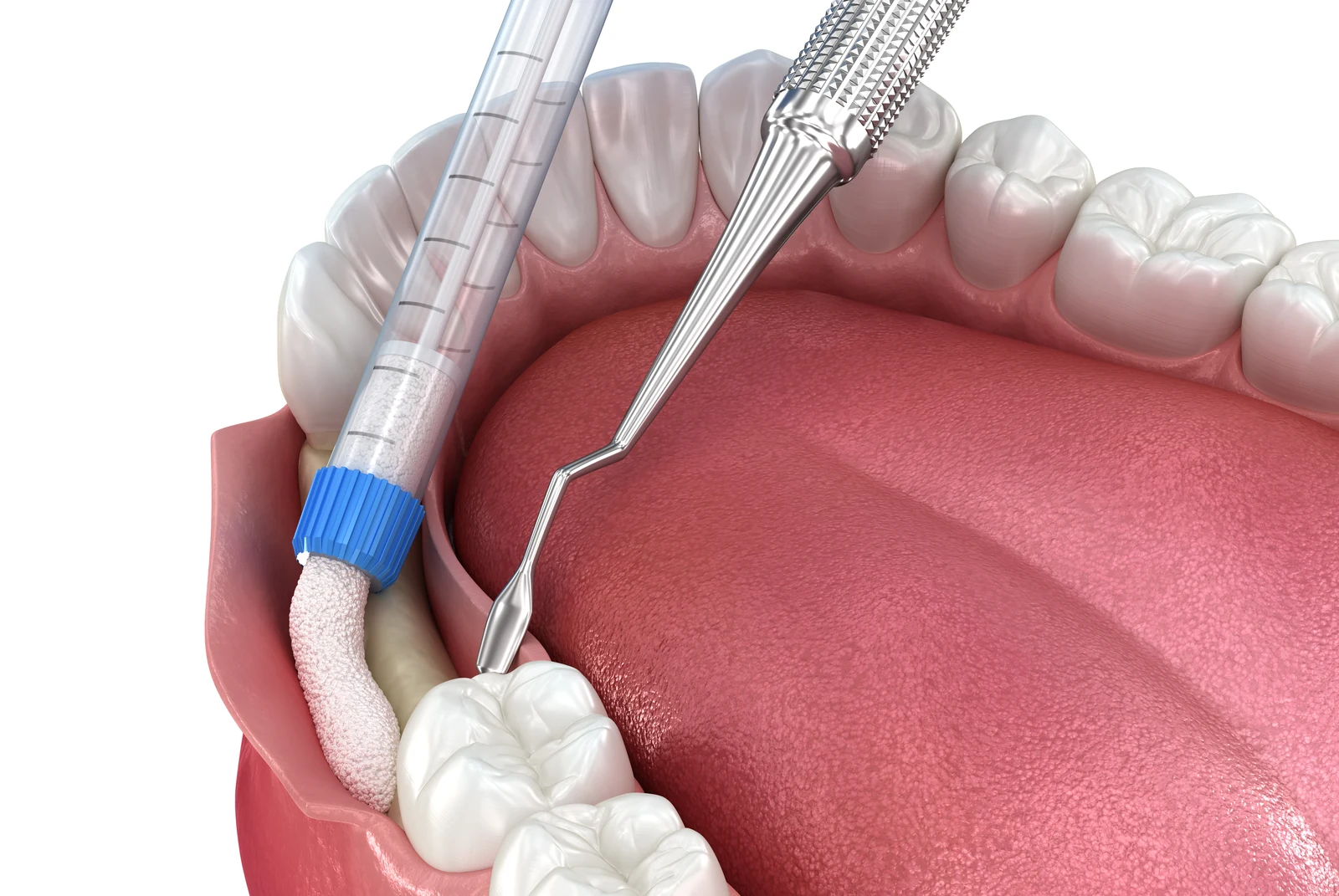
Graft material is added where more jawbone volume is needed for the proposed implant plan.
The material provides a scaffold for healing. The site is reassessed before its suitability for an implant is confirmed.
Understanding your care
Start with the purpose of treatment, then explore what matters for your own care.
An examination and imaging identify the shape of the available bone. The question is where additional support is needed, rather than whether every implant requires a graft.
Graft materials can come from different sources, including human, animal and synthetic sources. Your preferences and the clinical requirements belong in the discussion before a material is chosen.
A graft is not instantly equivalent to mature supporting bone. Follow-up assessment helps determine when the site is ready for the proposed implant or another stage of treatment.
From questions to a plan
The details and sequence depend on your assessment and individual treatment plan.
The clinician evaluates the amount and shape of bone in relation to the intended tooth replacement. Imaging helps establish whether grafting offers a useful option.
The plan addresses the graft source, whether a membrane is needed and whether grafting will occur before or alongside implant placement in this particular site.
The selected material is positioned at the site and the tissues managed to support healing. The exact surgical approach varies with the defect and technique.
Healing is reviewed before the next treatment stage. Additional imaging or assessment may be needed to determine whether sufficient support has developed for implant placement.
Before you decide
Grafting adds a procedure and a healing phase, with risks including infection, graft exposure, loss of graft material or insufficient new bone. Some sites may need further treatment. Medical factors and smoking can affect healing. Alternatives may include a different implant plan, a bridge or a denture. Material sources and any donor-site procedure should be explained before consent.
No. Some sites already have enough bone for the planned implant. The need for grafting depends on bone volume, implant position and the design of the replacement tooth.
It can be, but other human, animal-derived or synthetic materials may also be considered. The clinician should explain the proposed material, its source and whether a separate donor site is involved.
Sometimes. Smaller deficiencies may be managed alongside placement, while other sites need grafting first. The decision depends on the available bone, initial implant support and the planned technique.

A place to begin
Talk through your priorities, alternatives and who would provide your care. An assessment helps clarify the next step.
Let’s talk about your optionsOur team will contact you to confirm your visit.
The treatment images and animations in this guide illustrate examples of care. They are not Atlas Dental patient results, personal treatment recommendations or statements about an individual clinician’s scope. Your assessment and care plan determine which options are appropriate for you.