Signs of wear
Flattened edges, fractures or damaged restorations may prompt a grinding assessment. Similar changes can have other causes, so the pattern is interpreted alongside your history and examination.


Explore your care
Everyday care, tooth repair and support for your gums.
Explore your care
Explore the possibilities for your smile.
Explore your care
Options for replacing one tooth, several teeth or a full arch.
Explore your care
Explore tooth extractions and wisdom teeth removal.
Explore your care
Explore treatment options for the inside of your tooth.
Explore your care
Two ways to explore a straighter smile.
Atlas Dental
Atlas Dental
General Dentistry / Treatment guide
A nightguard is an appliance worn over the teeth to create a protective contact surface. It may be recommended when grinding or clenching is damaging teeth or dental work, after the cause and symptoms are assessed.
Explore your options with our Atlas Dental team. Ask who would provide your treatment and whether a specialist referral is needed.
Let’s talk about your options See what care can involve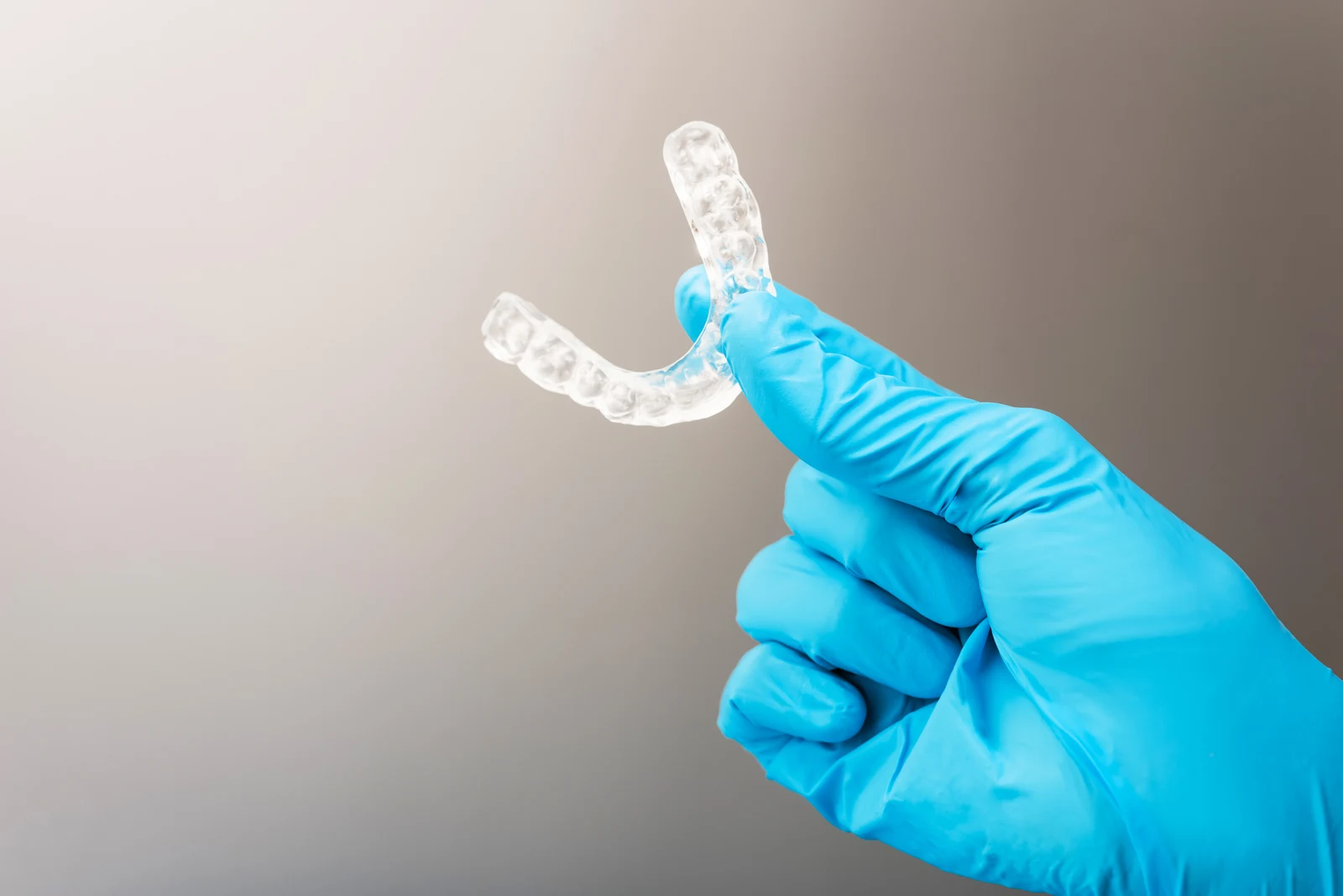
A custom nightguard fits over the teeth to provide a contact surface during grinding or clenching.
This is one guard design. A nightguard may protect teeth without stopping the grinding or resolving every cause of jaw discomfort.
Understanding your care
Start with the purpose of treatment, then explore what matters for your own care.
Flattened edges, fractures or damaged restorations may prompt a grinding assessment. Similar changes can have other causes, so the pattern is interpreted alongside your history and examination.
Morning jaw fatigue, headaches or reports of nighttime grinding can be relevant. A guard may protect teeth, while the underlying habit or another condition may need separate attention.
A custom appliance needs to fit your teeth and contact your bite appropriately. Review visits can identify wear, changes in fit or symptoms that need a different approach.
From questions to a plan
The details and sequence depend on your assessment and individual treatment plan.
Discuss when symptoms occur and examine the teeth, muscles and bite. Consider whether further assessment is needed for another dental or sleep-related concern.
If a guard is appropriate, take the records needed to make it. Explain the proposed design and how it fits into the wider care plan.
Check the completed guard on the teeth and assess its contact with the opposing arch. Make adjustments and provide individual instructions for its use.
Check comfort, fit, wear and symptoms at follow-up. Reconsider the diagnosis or design if the appliance is not meeting the intended protective goal.
Before you decide
A nightguard protects teeth but may not eliminate grinding, jaw pain or the factors causing them. It is not a treatment for every jaw disorder or a substitute for assessing possible sleep concerns. Poor fit can create problems. Discuss new discomfort or bite changes with the clinician, and compare appliance use with other management options suited to your diagnosis.
Not necessarily. Protection from tooth-to-tooth wear is a main purpose. Grinding can have several contributing factors, so other assessment or management may be discussed alongside a guard.
No. A sports mouthguard is designed to cushion impact during activity. A nightguard is designed around tooth contact and grinding; the two appliances have different purposes and designs.
Jaw pain needs its own assessment. A guard may be one consideration, but pain can have several causes and the evidence for appliance treatment varies with the particular condition.

A place to begin
Talk through your priorities, alternatives and who would provide your care. An assessment helps clarify the next step.
Let’s talk about your optionsOur team will contact you to confirm your visit.
The treatment images and animations in this guide illustrate examples of care. They are not Atlas Dental patient results, personal treatment recommendations or statements about an individual clinician’s scope. Your assessment and care plan determine which options are appropriate for you.