

Dental implants
A considered approach to replacing teeth.
Understand dental implants, how treatment is planned and the questions worth asking.
Request an Appointment
08 treatment guides
Explore Dental Implants
Options for replacing one tooth, several teeth or a full arch.
Tooth Replacement
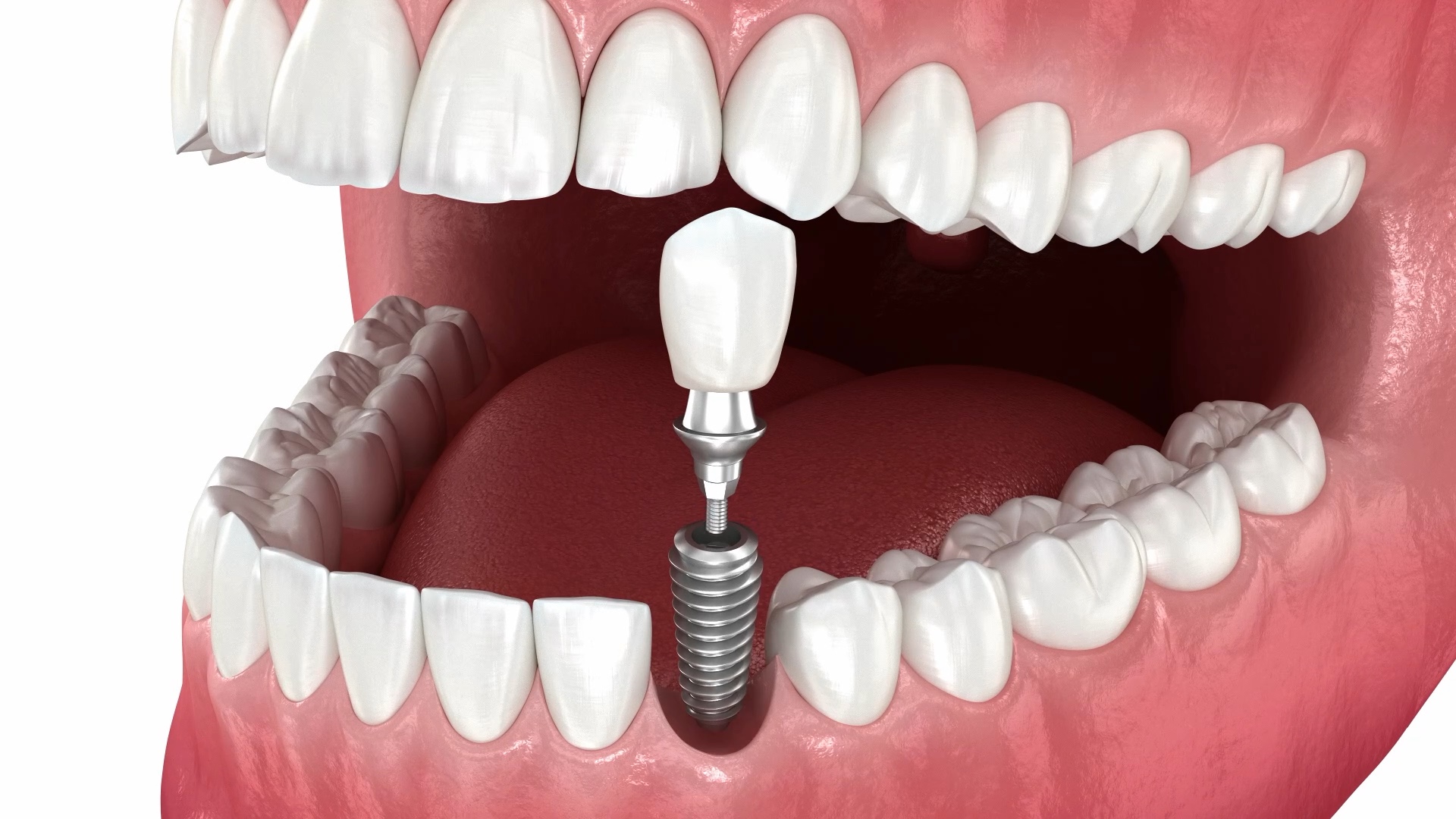
Single Tooth Replacement
A single implant can replace a missing tooth without using neighboring teeth for support. The replacement has a foundation in the jaw, a connecting piece and a custom-made crown above the gum.
Tooth Replacement
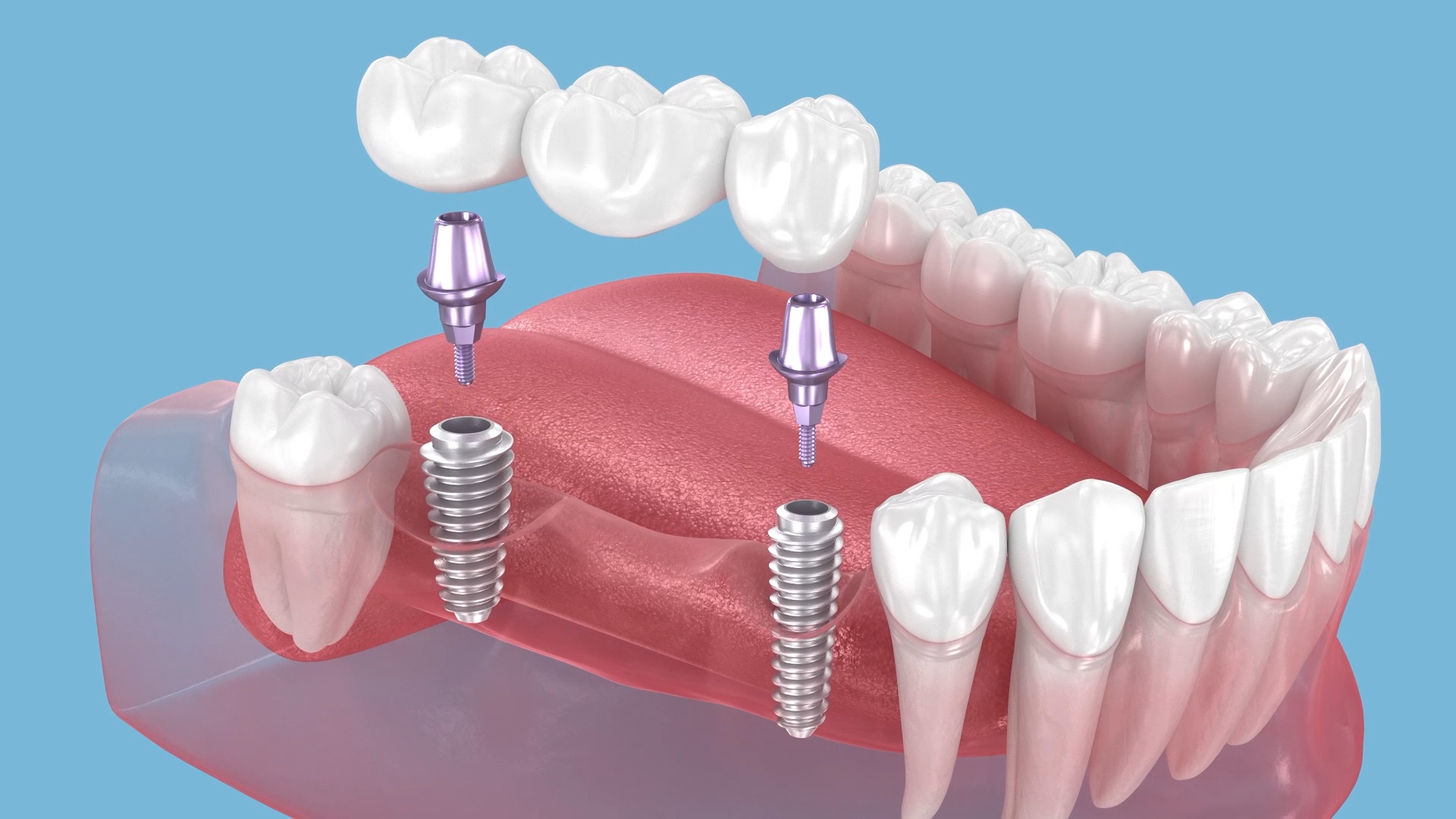
Multiple Tooth Replacement
When several neighboring teeth are missing, implants may support a connected bridge. The number and position of implants are planned around the gap, available bone and bite—not simply one implant for every missing tooth.
Tooth Replacement
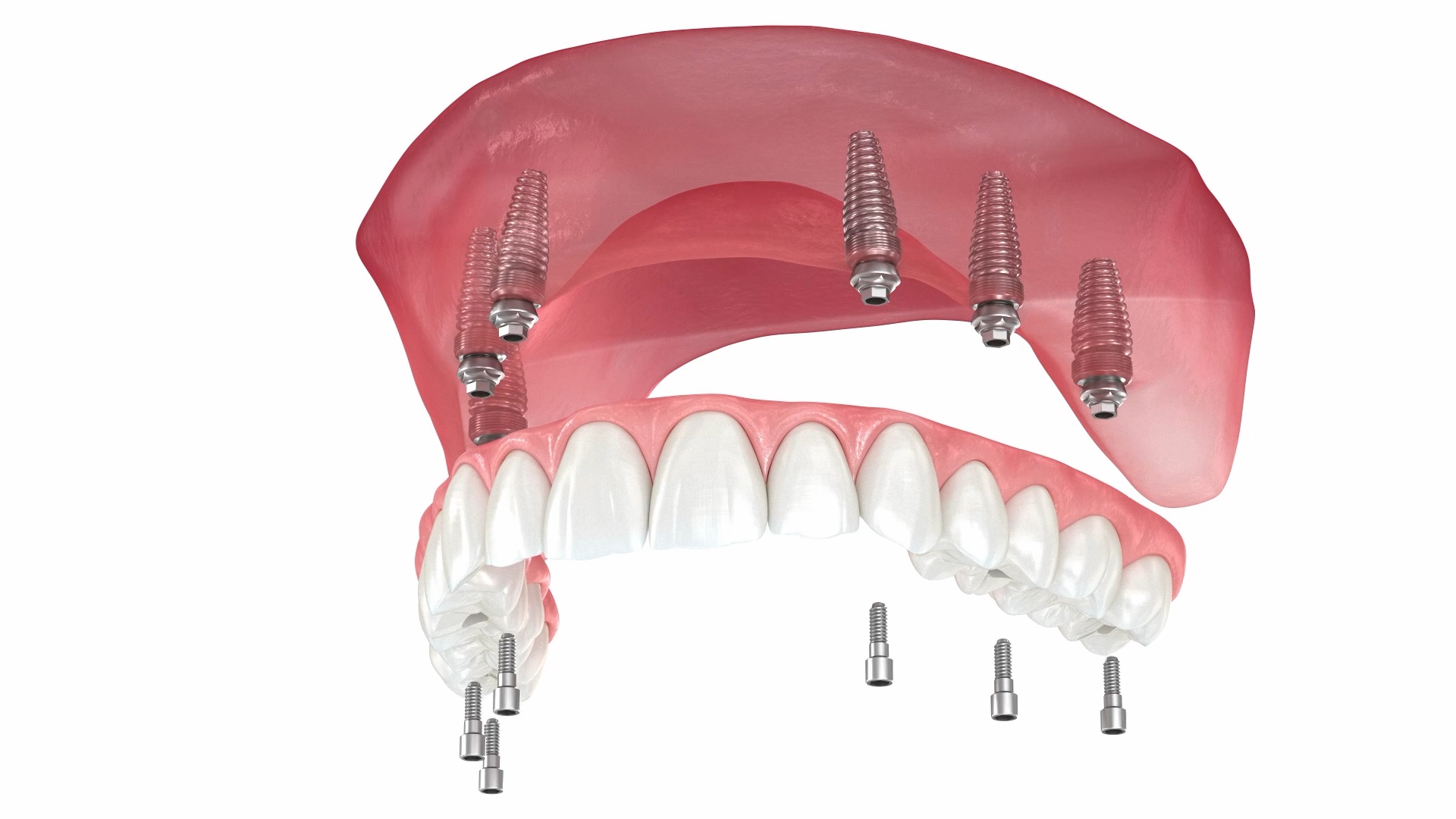
Full-Arch Tooth Replacement
Full-arch treatment replaces all teeth in one upper or lower arch. A fixed bridge can attach to several implants, bringing the tooth positions, gum replacement, support and cleaning access into one coordinated design.
Tooth Replacement
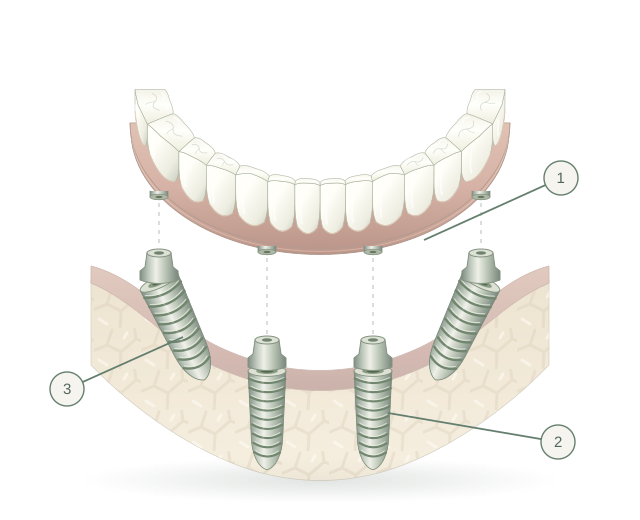
All-on-4
All-on-4 is a specific full-arch implant concept using four supports for a fixed restoration. Two implants are placed toward the front and two are angled farther back, with suitability determined through individualized planning.
Tooth Replacement
Implant-Retained Dentures
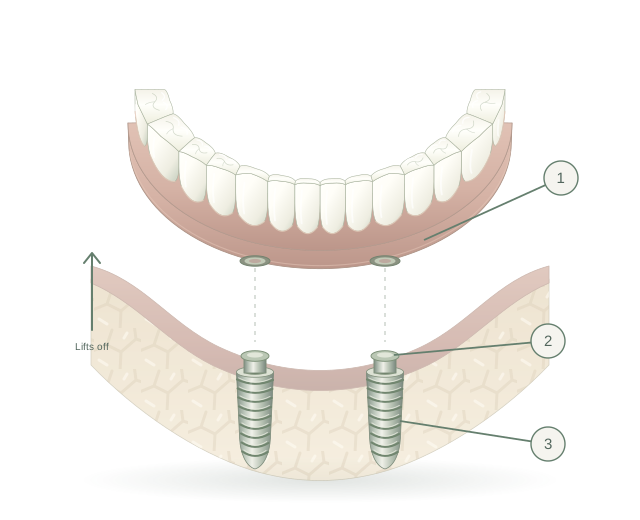
An implant-retained denture uses attachments to help hold a removable denture in place. The denture lifts off for cleaning, while the implants remain in the jaw—a different arrangement from a fixed implant bridge.
Preparation & Ongoing Care
Bone Grafting
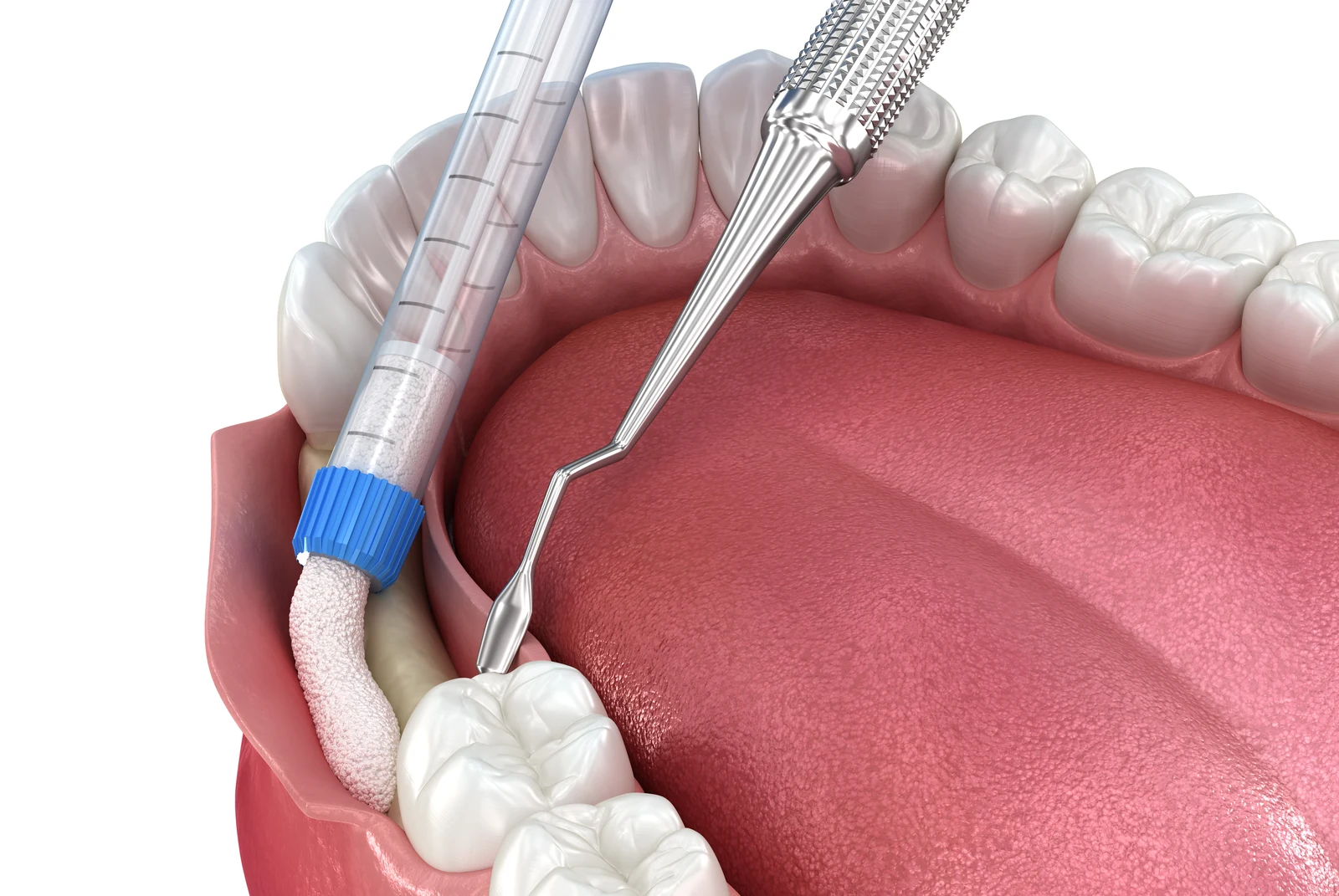
Bone grafting adds a scaffold where more jawbone volume is needed. It may help prepare a site for an implant, but the technique, material and healing requirements depend on the shape and size of the area.
Preparation & Ongoing Care
Sinus Lifts
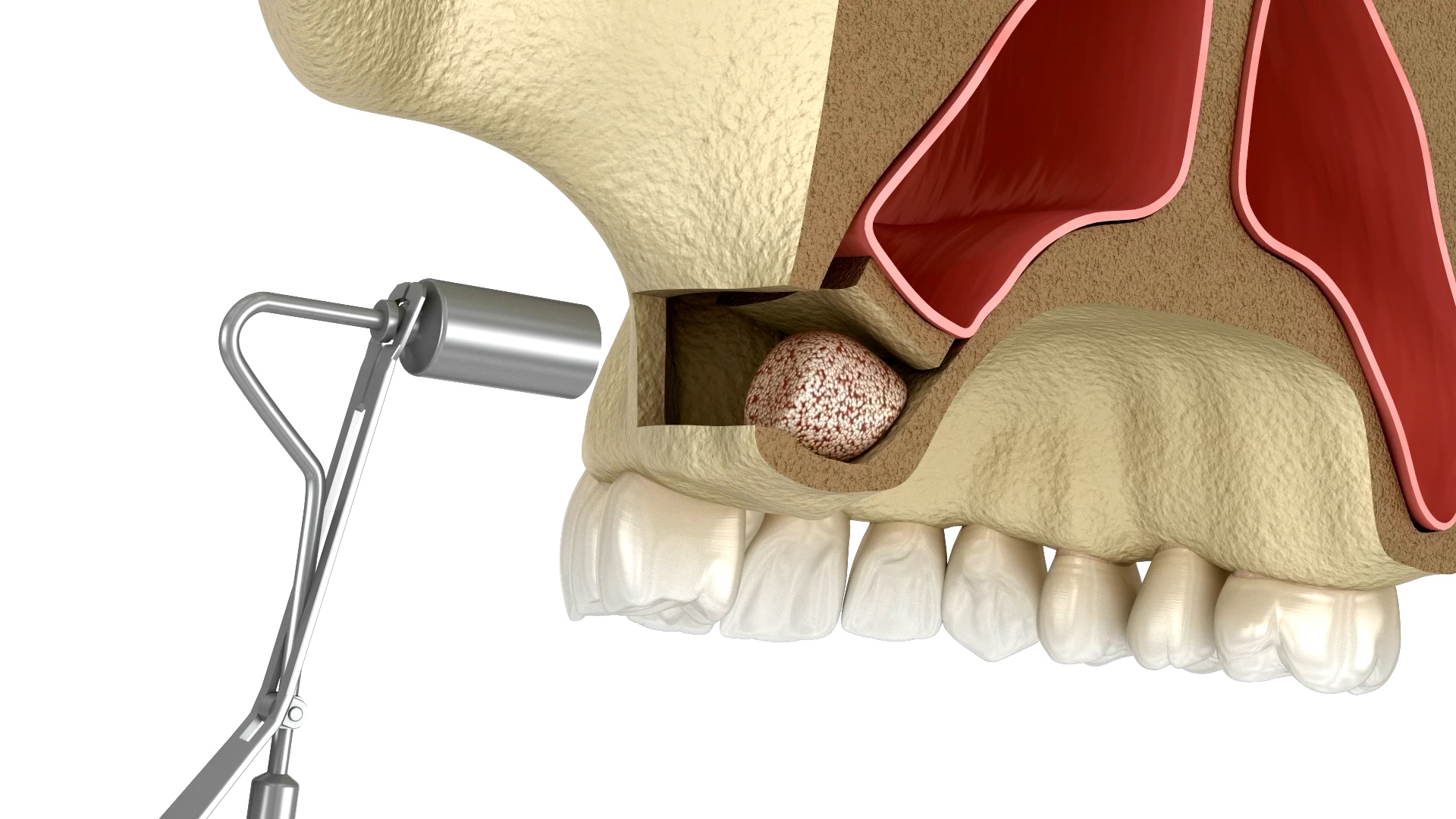
A sinus lift creates space for additional bone beneath the sinus lining in the upper back jaw. It may be considered when the sinus and limited bone height affect the position of a planned dental implant.
Preparation & Ongoing Care
Implant Care & Maintenance
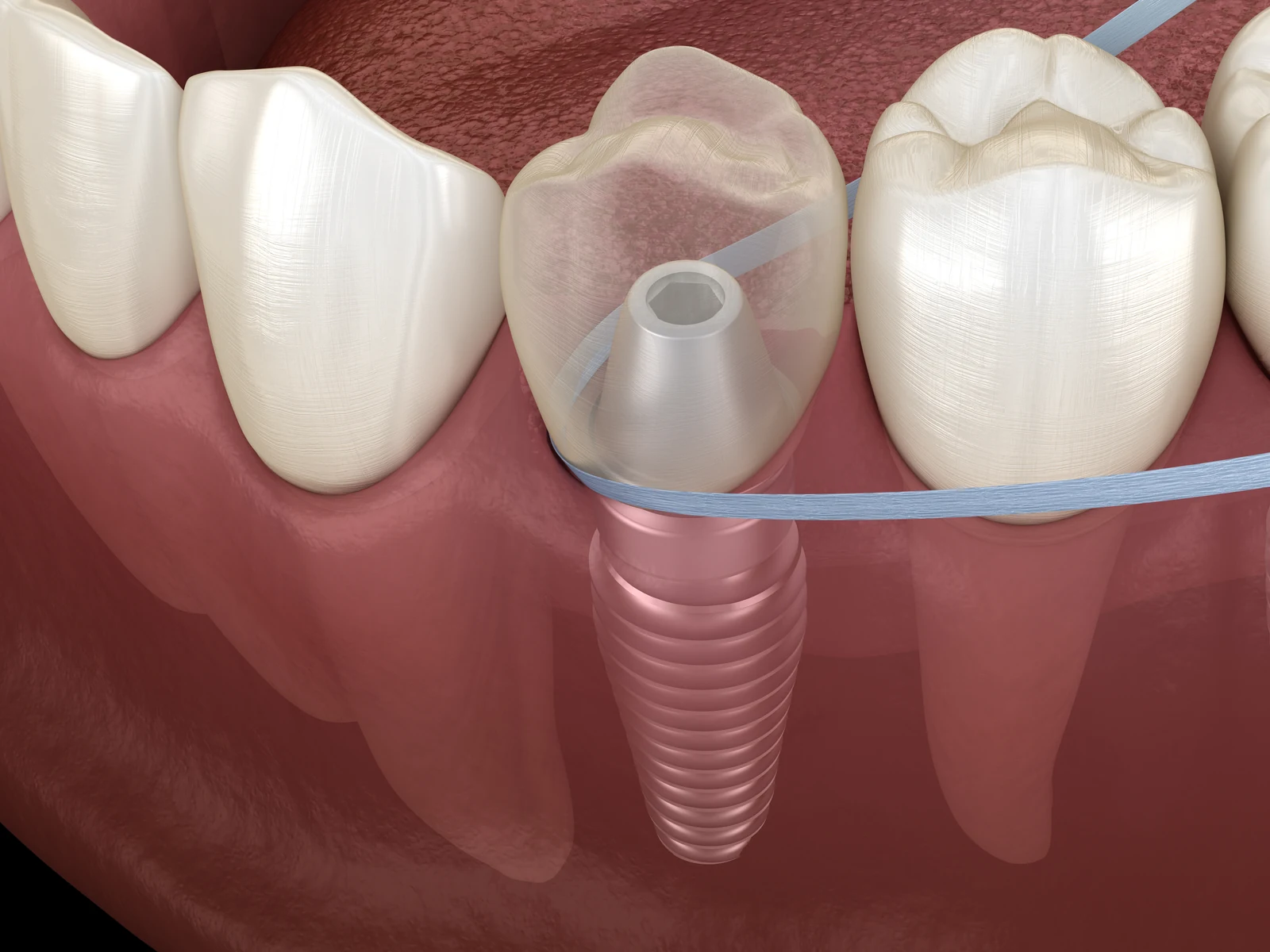
Implants need ongoing care even though their artificial parts cannot develop tooth decay. Daily cleaning and professional review focus on the surrounding gums and bone, as well as the fit, bite and condition of the replacement teeth.
What is a dental implant?
A dental implant is a device placed in the jawbone to support a replacement tooth or teeth. The implant and the visible restoration are separate parts of treatment. Depending on the plan, implants may support a crown, bridge or denture.
Start with suitability.
Missing teeth, an uncomfortable denture or difficulty chewing may prompt an implant discussion. Assessment considers your gums, available bone, health history, medicines and habits such as smoking. Additional imaging or treatment may be needed. Implants are not appropriate for every person or every situation.
From assessment to replacement teeth.
Planning establishes the type of restoration and the surgical steps. Implant placement is followed by a period of healing; the replacement teeth are then fitted according to the agreed plan. Temporary teeth may be considered. Some approaches combine stages, but immediate teeth are not suitable for everyone.
Understand the alternatives.
A bridge or removable denture may also be considered. Sometimes preserving a tooth is preferable to removing it. Ask how the options compare for your remaining teeth, maintenance, treatment time and overall cost.
Healing and long-term care.
Healing can take months and varies by procedure and health. Surgery carries risks, including infection, damage to nearby structures and an implant failing to integrate with bone. Replacement teeth or components can loosen, wear or need repair. Daily cleaning and ongoing professional review remain important.
Timing, cost and your care team.
The number of implants, condition of the bone, any preparatory procedures and choice of restoration affect the plan and fee. Ask who would perform the surgery, who would make the replacement teeth and where each stage would take place. Discuss follow-up and future maintenance costs as well as the initial treatment.
Questions to bring.
What makes me a suitable candidate? Could I keep the tooth? Will additional procedures be needed? What would I wear while healing? Which parts of the plan could change? A consultation is the place to work through these questions together.
Educational draft for website review. Suitability and treatment details require a clinical assessment. Atlas-specific procedures and provider arrangements remain subject to confirmation.
Your next step
Begin with your questions.
Explore care at Atlas Dental and plan the conversation you would like to have.
Request an Appointment