More than contact sports
Falls and collisions can happen in both contact sports and activities such as skating. Consider the likely risks to your mouth when deciding where a mouthguard belongs in your equipment.


Explore your care
Everyday care, tooth repair and support for your gums.
Explore your care
Explore the possibilities for your smile.
Explore your care
Options for replacing one tooth, several teeth or a full arch.
Explore your care
Explore tooth extractions and wisdom teeth removal.
Explore your care
Explore treatment options for the inside of your tooth.
Explore your care
Two ways to explore a straighter smile.
Atlas Dental
Atlas Dental
General Dentistry / Treatment guide
A sports mouthguard cushions the teeth and nearby soft tissues during activities where a blow or fall could affect the mouth. Fit, coverage and the demands of your sport all matter when choosing protection.
Explore your options with our Atlas Dental team. Ask who would provide your treatment and whether a specialist referral is needed.
Let’s talk about your options See what care can involve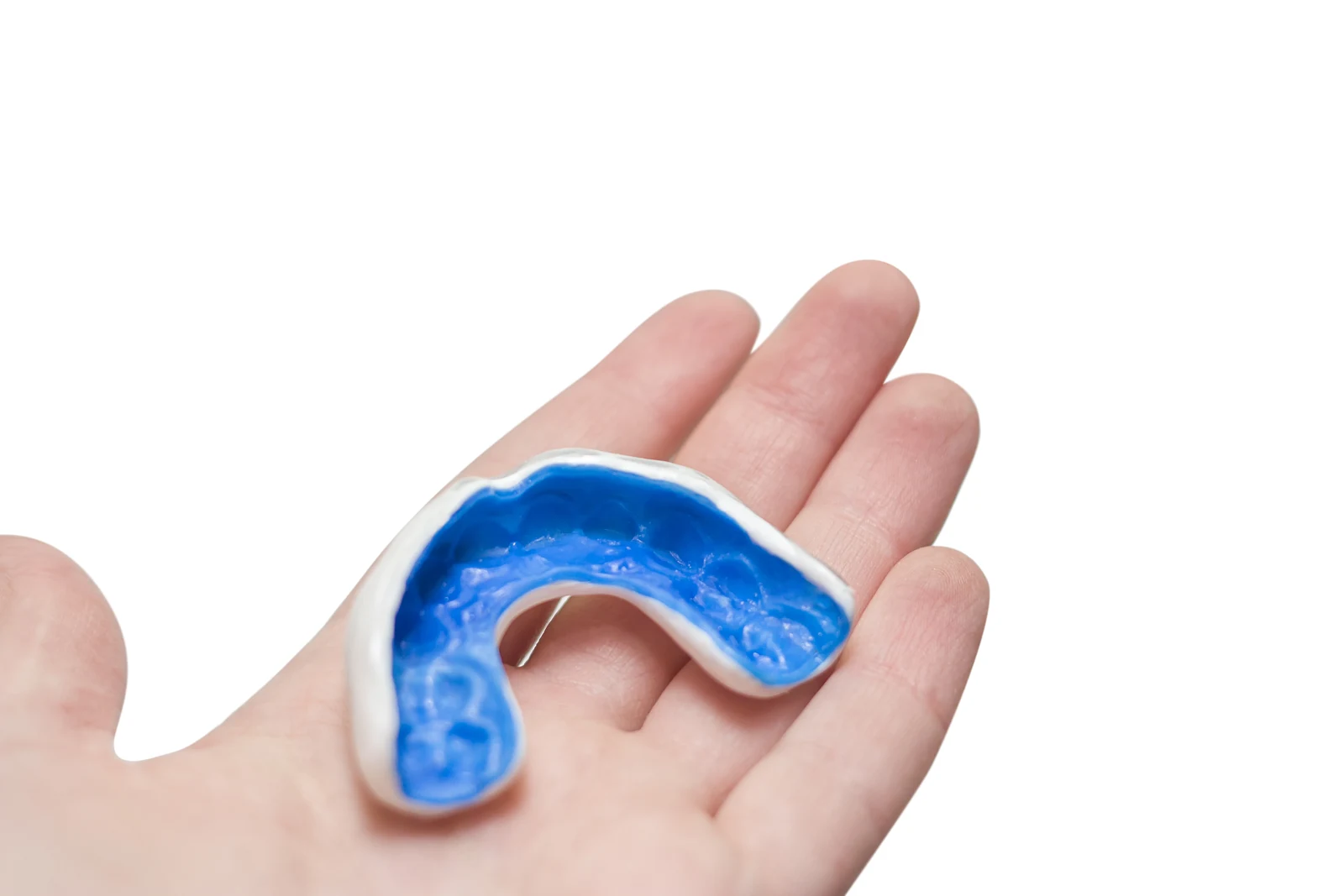
A sports mouthguard cushions the teeth and nearby soft tissues during activities with a risk of impact.
Fit and coverage depend on your sport and teeth. A sports mouthguard has a different purpose from an aligner or grinding guard.
Understanding your care
Start with the purpose of treatment, then explore what matters for your own care.
Falls and collisions can happen in both contact sports and activities such as skating. Consider the likely risks to your mouth when deciding where a mouthguard belongs in your equipment.
A guard should stay in place and allow breathing and communication. Different options include custom, mouth-formed and stock guards, with varying fit and coverage characteristics.
Children, teens and people wearing braces may need fit reviews as their teeth change. Worn, damaged or loose guards may no longer provide the intended protection.
From questions to a plan
The details and sequence depend on your assessment and individual treatment plan.
Review your sport, previous injuries and current dental appliances. Explain any difficulties with breathing, speaking or keeping an existing guard in place during use.
Compare available designs and their fit. If a custom guard is selected, take the records needed to make an appliance for your teeth.
Assess how the guard sits around the teeth and whether it stays stable. Check comfort and compatibility with braces or other dental work.
Bring the guard to dental reviews so fit and wear can be checked. Growth, orthodontic movement or new dental work can change the requirements.
Before you decide
No mouthguard eliminates all risk of injury. Evidence for preventing concussion is mixed. The right design depends on fit, the activity and any orthodontic appliances. A grinding guard or aligner is not an equivalent substitute. Choose protection with professional guidance and reassess a guard that becomes damaged or no longer fits properly.
Yes, but the guard must accommodate the braces and changing tooth positions. Ask the dental or orthodontic team about the right design and when its fit should be reviewed.
There are custom, mouth-formed and stock options. Their fit and comfort differ. A dental professional can help you compare them and choose a guard you can reliably wear.
Replacement depends on fit, damage and wear, as well as growth or changes to your teeth. Have it checked if it becomes loose, uncomfortable or visibly damaged during use.

A place to begin
Talk through your priorities, alternatives and who would provide your care. An assessment helps clarify the next step.
Let’s talk about your optionsOur team will contact you to confirm your visit.
The treatment images and animations in this guide illustrate examples of care. They are not Atlas Dental patient results, personal treatment recommendations or statements about an individual clinician’s scope. Your assessment and care plan determine which options are appropriate for you.